Overview
Industry: Consumer Appliance Manufacturer
Geography: APAC
Technologies: AWS, IIS, ASP.NET WebForms, SQL Server, React, GraphQL, Kubernetes
The Situation
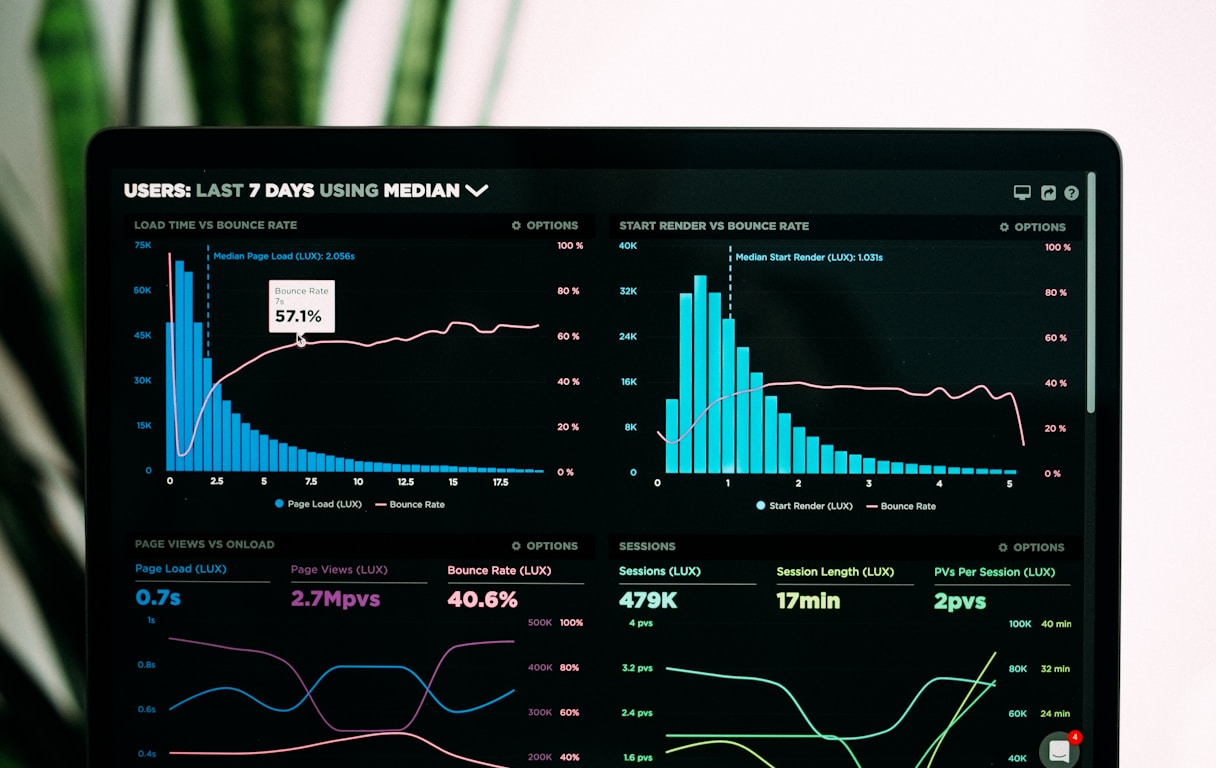
Customer’s mission-critical Web Portal had become increasingly difficult to operate as performance issues began affecting business-critical workflows. During peak usage periods, users experienced severe latency spikes, session instability, and inconsistent application responsiveness. In the most extreme cases, individual requests took up to 278 seconds to complete, creating significant operational disruption and impacting the user experience.
The platform operated on a legacy ASP.NET WebForms architecture hosted on AWS, supported by SQL Server and a monolithic IIS deployment model. While the application continued to support day-to-day operations, recurring performance degradation, limited observability, and growing security concerns highlighted the need for a comprehensive assessment of the platform's architecture, infrastructure, and operational readiness.
Customer needed more than a temporary fix. The organization required a clear understanding of the root causes behind the performance issues, immediate stabilization recommendations, and a long-term modernization strategy capable of supporting future growth and scalability.
What Codincity Did
Conducted a comprehensive root cause analysis of more than 12,000 HTTP requests, application logs, IIS events, database workloads, and AWS infrastructure components to identify the sources of recurring latency and operational instability.
Identified repeated IIS application pool shutdowns triggered by idle timeout settings as the primary cause of severe cold-start delays, resulting in application recompilation, SQL connection pool rebuilds, and session regeneration during peak usage periods.
Assessed application architecture and runtime behaviour, uncovering performance bottlenecks including sequential database calls, blocking metadata requests, session management limitations, and inefficient request processing patterns.
Evaluated database performance and workload characteristics, identifying connection spikes, lock contention, I/O pressure, and workload patterns contributing to application response delays.
Performed a security and cloud operations assessment, highlighting risks related to credential management, HTTPS enforcement, metadata service exposure, and governance controls across the AWS environment.
Developed an immediate stabilization plan focused on eliminating cold-start incidents, improving session persistence, strengthening security controls, and restoring operational reliability.
Designed a phased cloud-native modernization roadmap outlining the transition from a monolithic ASP.NET architecture to a modern platform leveraging React, GraphQL, containerized services, Kubernetes, CI/CD automation, and distributed session management.
Business Impact
Identified the root cause of latency spikes reaching up to 278 seconds, providing a clear path to eliminate recurring performance incidents.
Established a prioritized stabilization roadmap addressing application performance, session continuity, infrastructure configuration, and security risks.
Improved visibility into application behaviour through detailed analysis of more than 12,000 requests, helping technical teams focus remediation efforts on the highest-impact issues.
Reduced operational risk by identifying critical security vulnerabilities and governance gaps requiring immediate attention.
Defined a modernization strategy that supports greater scalability, operational resilience, and cloud-native deployment practices.
Created a structured transformation roadmap that enables future adoption of microservices, container orchestration, distributed caching, and automated delivery pipelines.
What It Means Going Forward
The value of the engagement extends beyond resolving a single performance incident. By identifying the underlying architectural, operational, and governance issues contributing to instability, Codincity helped establish a clear path toward a more resilient and scalable technology foundation.
With a phased modernization strategy in place, customer can now address immediate operational risks while preparing for long-term digital transformation. The roadmap provides a framework for improving application performance, strengthening security, modernizing delivery processes, and supporting future business growth through cloud-native technologies.
Conclusion
Performance issues are rarely caused by a single component. They are often the result of architectural decisions, operational processes, infrastructure configurations, and technical debt accumulating over time. By combining deep performance engineering, root cause analysis, security assessment, and modernization planning, Codincity helped its customer move from reactive troubleshooting toward a structured strategy for long-term operational stability, scalability, and modernization.
In Their Words
“The investigation gave us something we did not have before: a definitive answer. We knew the portal was slow during peak hours, but we did not know why. Now we have the root cause, the remediation steps, and a roadmap for where the platform needs to go.”
— Technology Leadership of a Multinational Consumer Appliance Manufacturer