
Overview
Industry: FinTech
Geography: Americas
Technologies: Dynatrace, Grafana, Logic Monitor, GCP, IaC
The Situation
A fintech company serving banks, lenders, and loan servicers had migrated its multi-tenant platform to Google Cloud Platform and was scaling rapidly. But as its microservices architecture grew spanning message queues, NoSQL databases, OLAP systems, API gateways, and caching layers it had no coherent view of what was happening inside the platform.
Support teams resolved incidents by manually correlating logs from disconnected sources often discovering problems only after customers had already raised tickets. New application teams faced inconsistent, manual observability setups that delayed onboarding. And when enterprise customers asked about SLA performance, the data simply was not there to answer the question.
In a market where lenders depend on these platforms for mission-critical workflows, operational opacity is a commercial risk. Leadership recognised that observability needed to be a platform capability built in, consistent, and available from day one of every deployment.
What Codincity Did
Codincity designed and implemented a unified observability platform as Infrastructure as Code, spanning the client's entire GCP environment and multi-cloud footprint.
Automated the deployment and configuration of all monitoring components across every microservice and cloud layer new environments inherit the full observability stack automatically, with no manual setup.
Extended full-stack instrumentation across infrastructure, application performance, databases, messaging systems, caching layers, API gateways, and OLAP workloads enabling end-to-end request tracing for the first time.
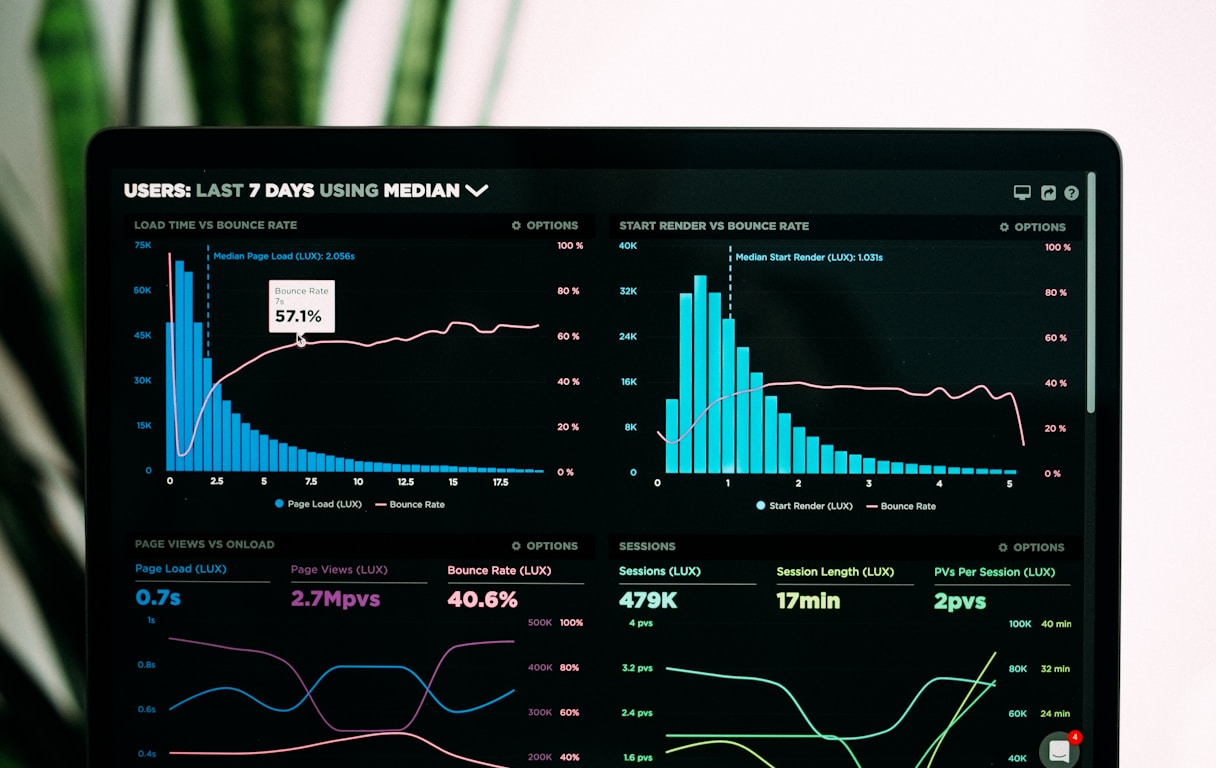
Deployed next-generation APM tooling Dynatrace, Grafana, and Logic Monitor providing real-time telemetry across latency, traffic, errors, and saturation, with distributed tracing that surfaces root causes without manual log correlation.
Operationalised Service Level Indicators and Objectives across every critical service, with automated alerting that fires before SLOs are breached giving teams response time before customers are impacted.
Built business analytics dashboards providing live operational visibility for customer-facing teams and engineering leadership, alongside DORA metrics tracking for continuous delivery performance.
Business Impact
Reduced mean time to detect and mean time to resolve automated alerting and real-time dashboards surface root causes that previously required hours of manual log investigation.
Consistent telemetry coverage from deployment day one every new environment is automatically instrumented with no manual configuration required.
SLOs operationalised across critical services enabling proactive SLA compliance and data-backed conversations with enterprise customers.
Distributed tracing eliminates manual log correlation during incident response, reducing both investigation time and escalation risk.
DORA metrics tracking gives engineering leadership an objective view of deployment frequency, lead time, change failure rate, and time to restore service.
What It Means Going Forward
The shift is most visible in day-to-day operations. Support engineers who previously spent hours reconstructing incident timelines now have dashboards that surface root causes automatically. Developer teams onboarding new services no longer face a manual instrumentation backlog the observability stack is ready from first deployment.
For enterprise customers, the change is felt in the confidence of SLA conversations backed by data. For engineering leadership, DORA metrics have replaced gut instinct with an objective performance baseline. Observability is no longer a team responsibility it is a platform capability.
Conclusion
Observability is not about collecting more data. It is about having the right data, in the right place, at the right time and knowing what to do with it. For this fintech company serving banks, lenders, and loan servicers, building observability as a platform capability rather than a team project has fundamentally changed how the organisation operates: faster to detect, faster to resolve, and more transparent to the customers who depend on the platform every day.
In Their Words
“Building observability into the platform foundation has transformed how our teams respond to incidents and how we communicate reliability to our customers.”
— Platform Engineering Lead, FinTech Company